


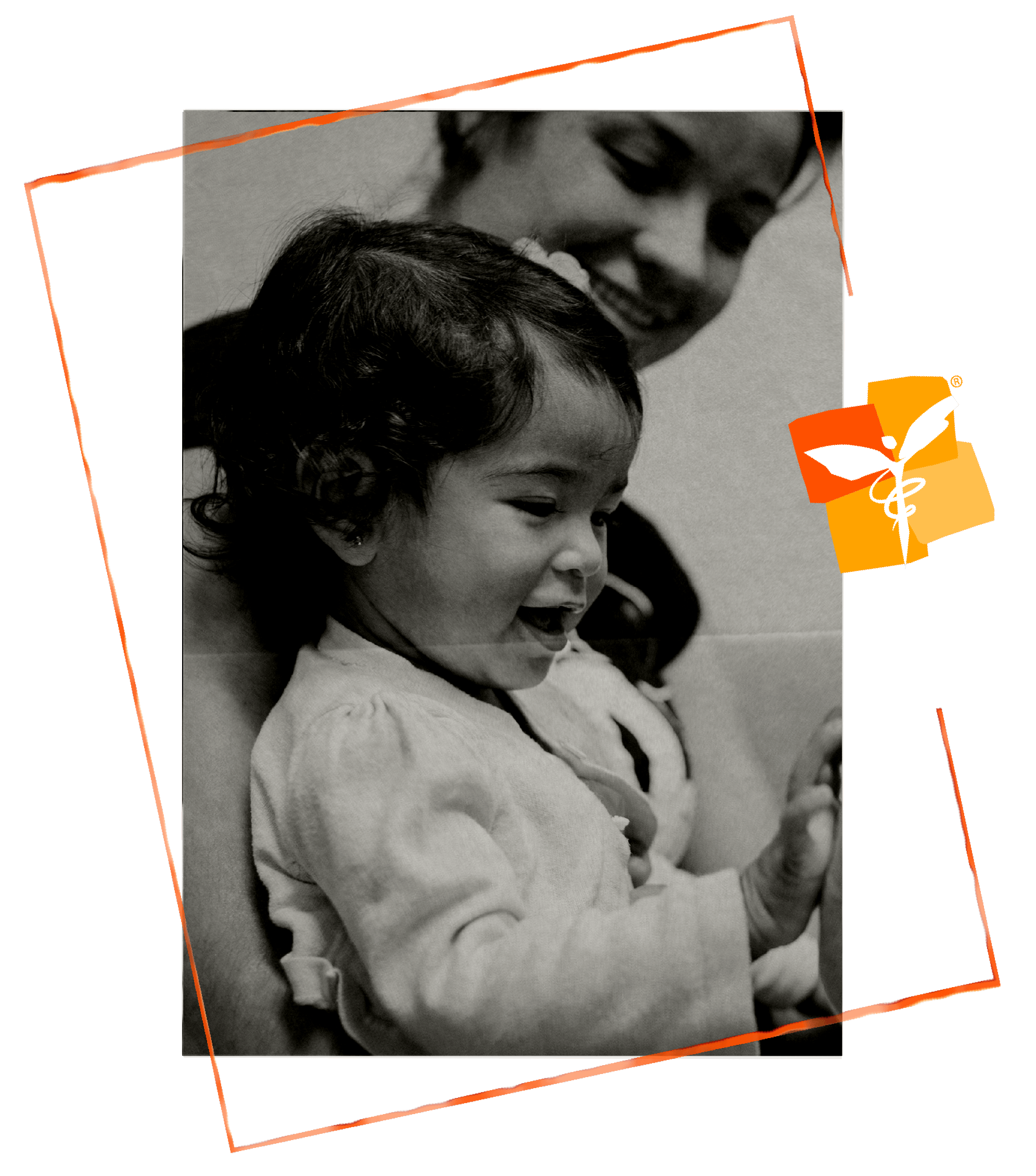




A mother’s life is full of first moments
when childbirth isn’t her last.
First kick. First breath. First cry.
First laugh, step, word.
First day of school. First scraped knee. First goal.
First time they make you laugh when you really shouldn’t.
First time they make you unbelievably proud. And insanely frustrated.
First secret. First heartbreak.
First pep talk. First visit home.
First time you realize they’re becoming their own person.
But in too many places, that first – childbirth – can be a mother’s last.
Direct Relief is working to make birth safer.
Together, we can make more firsts possible.
Direct Relief is committed to raising $40 million to support more than 2.5 million safe births worldwide. The effort expands upon the organization’s long-standing mission to equip healthcare providers in resource-limited regions where maternal mortality, stillbirth, and newborn mortality rates remain critically high.
“Childbirth should be a moment of possibility, not one where a mother’s survival depends on whether the clinic she reaches has the right medicine or equipment,” Amy Weaver, Direct Relief CEO, said. “Every woman deserves skilled care, and every provider deserves the tools to deliver it. With this commitment, we want to help make that basic expectation a reality for millions more mothers and babies.”
As of 2023, more than 90 percent of all maternal deaths occurred in low- and middle-income countries, and most could have been prevented, according to the World Health Organization. The majority of deaths occurred in sub-Saharan Africa, and often occur as a result of severe bleeding, infections, pre-eclampsia and eclampsia, and complications from delivery.
To address these challenges, Direct Relief’s commitment will focus on three core areas: equipping frontline health providers, including midwives; closing resource gaps for local health systems; and strengthening those systems for the future through climate-resilient infrastructure.
“A healthy start can change the course of a life,” Weaver said. “Our commitment is not only to a single moment of care, but to the health providers and local systems that women and families rely on before, during and after childbirth. That is work worth investing in for the long term.”

Interested in Partnering?
Frequently Asked Questions
What does Direct Relief do for maternal health?
How many safe births has Direct Relief helped support?
What is the leading cause of maternal death, and how is it prevented?
How does Direct Relief support emergency obstetric care?
What’s inside a midwife kit, and why does it matter?
How can I help reduce maternal mortality?
How many women die from pregnancy and childbirth complications each year?


