Relief Done Right
Effective disaster response requires more than just speed—it requires the right aid at the right time. Direct Relief mobilizes rapidly to deliver medical resources in direct response to specific requests from local healthcare partners. Coordinating with public health agencies and international responders ensures that every shipment is medically relevant, avoids logistical bottlenecks, and maximizes impact.

Wildfire Relief
Direct Relief is supporting medical facilities, first response agencies and communities affected by wildfires in the U.S. and throughout the world with requested fire-related medical items and emergency gear.
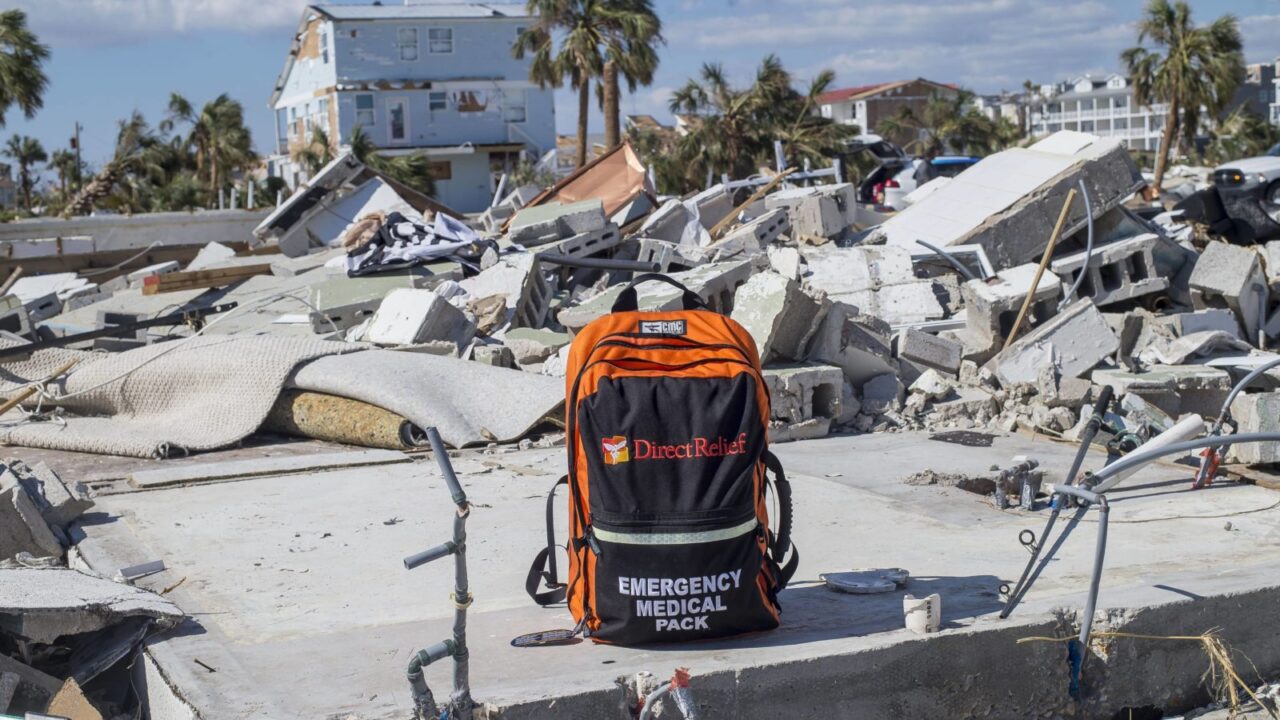
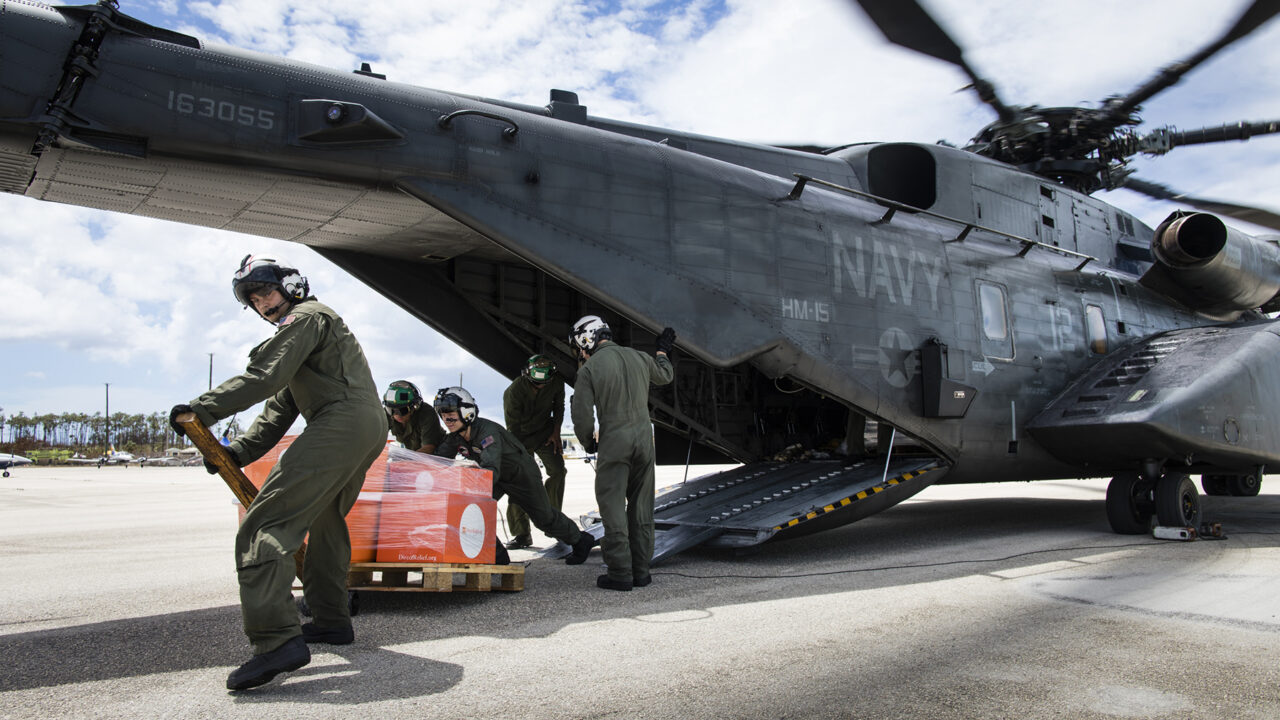
Hurricane Relief
Direct Relief responds each hurricane season before disaster strikes by staging emergency medicine with health facilities in hurricane-prone regions of the Gulf Coast and Caribbean.
- Disease Outbreaks
- Earthquakes
- Extreme Weather
- Humanitarian Crisis
- Hurricanes
- Typhoons
- Volcanoes
- Wildfires
Disaster Relief & Recovery

Each disaster has specific characteristics that are dependent upon local facts and circumstances.
Designed for Disasters

Direct Relief designs a range of products that address urgent needs when disasters strike.
Emergency AID TRACKER
- in medical aid
- $351,113,558
- doses of medicine
- 101,519,918
- pounds of medicine and supplies
- 765,168
- deliveries
- 349
- healthcare providers supported
- 90
Frequently Asked Questions
Learn more about Direct Relief’s methodology, the 72-hour priority window, and how the organization adapts response efforts to specific types of global crises.
How does Direct Relief ensure disaster aid is effective and coordinated?
What are the immediate priorities in the first 72 hours of a disaster?
How do medical needs change based on the type of disaster?
How does climate change impact global health emergencies?
How much of my donation goes directly to disaster relief?


